We help creative foodies (like you!) take the guesswork out of building a food blog to share your passion and earn money doing what you love. Join the over 11,000 subscribers on our newsletter to get actionable tips and strategies delivered to your inbox each week! 📫
February Blogging Newsletter — debunking the myth that search is dying, AI Frankenstein recipes, Pinterest, and more!
|
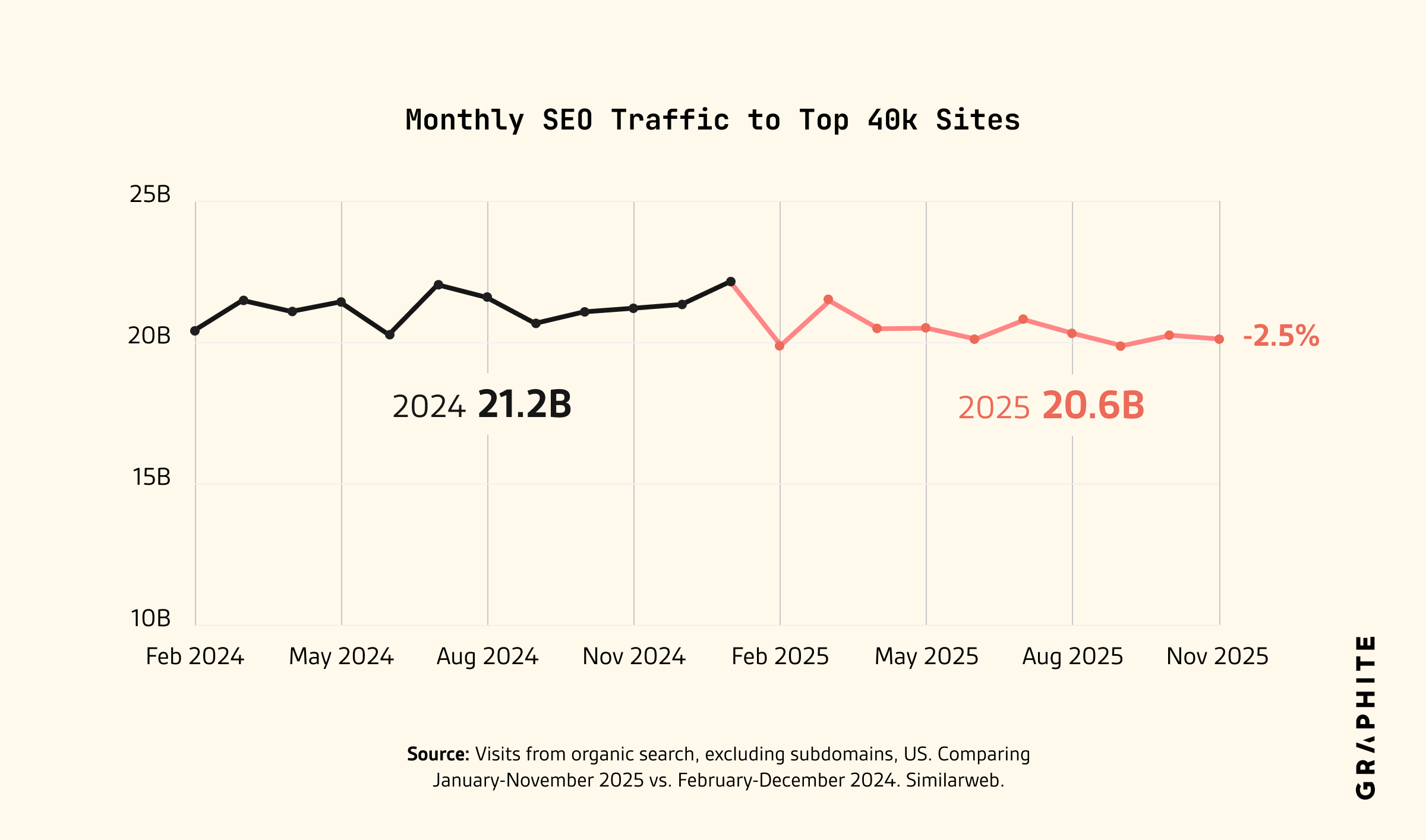
Hey Reader, It has been a good few weeks to be a food lover — the Super Bowl, Valentine's Day, AND Mardi Gras! Just what we needed to brighten an otherwise very cold and dreary season. We’re back in your inbox with another round-up of the latest news in the content creation world. As always, Bjork and I will dive deeper into these stories and share our thoughts in a podcast episode airing Tuesday, February 24! Let's dive in! 🗞️ 1. Debunking the myth that search is dyingSEO is over! 10 blue links are dead! No one will ever make money as a blogger again! We've all heard versions of this over the last year (and sometimes it might even feel like it!). But this analysis from Graphite is a really good reminder that the search changes happening right now are big, but not as dramatic as some are making it seem. So, deep breath, and let's see some of the stats! 1. SEO traffic is down slightly (-2.5%), not dramatically.
2. Traffic to search engines increased from 2019 to 2020 (+6.9%), decreased slightly in 2022 (-1.5%), and has been relatively flat since 2023 (-1.0%). In fact, traffic has increased slightly in 2025 to both Google (+0.8%) and search engines as a whole (+0.4%). Further, visitors to Google increased by +1.4% comparing Q4 2025 vs. 2024.
3. AI Overviews does decrease (-35%) click-through rates to organic results when present. However, AI Overviews only appear roughly 30% of the time. In 80% of cases, prior to AI Overviews, Google showed Featured Snippets, which also reduced click-through rate.
There is some bad news for food bloggers — traffic to cooking sites decreased by 15% from 2024 to 2025. BUT smaller sites (i.e. the vast majority of food blogs) actually fared better than most bigger sites!
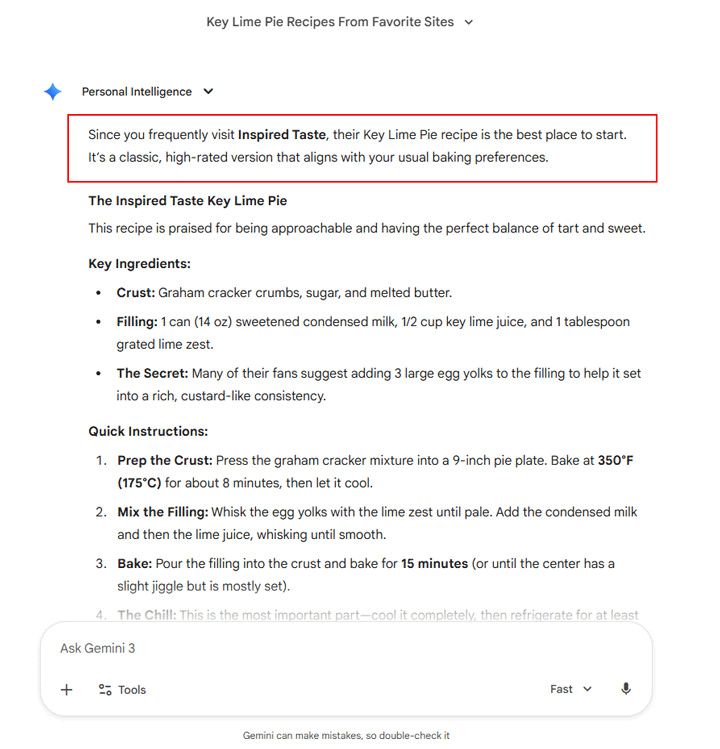
TL;DR, there are some big changes happening in search. Many food bloggers have seen decreases in site traffic from Google. It's a great time to focus on diversifying income and traffic sources. BUT there is still a ton of traffic to be had from Google and all hope is not lost! Read the full analysis on Graphite here. 2. Google Personal Intelligence creates AI Frankenstein recipesHave you tried Google Personal Intelligence yet? It's a brand new (January 2026) Gemini feature that connects with your personal data from Gmail, Google Photos, YouTube, and Search to provide customized responses to your queries. You've likely heard of AI Frankenstein recipes — when AI pulls from multiple recipes and combines them together to make a... bad recipe. Well, it turns out that Google Personal Intelligence is doing the same thing but, because the results are personalized, people are prone to trust them more. Below is an example from Glenn Gabe, who used Personal Intelligence to ask for a Key Lime Pie Recipe. Because the Personal Intelligence knows that he tends to visit Inspired Taste frequently, they used that site to inform the response. The issue is, the recipe was wrong and it claims it is from Inspired Taste, when it really wasn't. So Glenn would be cooking up this recipe, thinking it is from Inspired Taste, then when it comes out bad, he would not be happy with his favorite recipe blogger and fault them. But the truth is, it is Google's fault for providing the wrong recipe, due to its AI.
Similar issues came up when testing recipe searches in AI Mode. It's clear that there is a lot of room for progress for Google here, both in correctly attributing recipes to their source, and providing accurate information to users. Read the full post on Search Engine Roundtable here. 3. 10 email automation templates that save creators 20+ hours a weekSo much to do, so little time. We've heard again and again about the increasing importance of email for your business. But who has the time?! That's where email automations come in. And Kit has made it even easier with these templates. The amazing thing about recipes is that the vast majority of them are evergreen. This means it's really easy to set up a few email sequences that share your recipes with your audience ONCE and have them send... forever. Get started with sequences we think every food creator should have:
Read the full post on Kit here. 4. The top 5 reasons food bloggers should consider a paid newsletter (and who probably shouldn’t)For years, food bloggers have been told the same thing: grow your traffic, optimize for ads, chase SEO, repeat. And while blogs are still incredibly valuable, many creators are realizing something important: relying on one income stream is risky and building a deeper connection with your audience matters more than ever. And so, that’s where paid newsletters come in! A paid newsletter isn’t about “locking everything behind a paywall.” It’s about offering your most engaged readers a more intentional, supportive, and sustainable way to support your work. So, here are the top five reasons food bloggers should consider adding a paid newsletter. Plus at the end we have a quick section on who shouldn’t start one (at least not yet).
Paid newsletters are powerful but they’re not for everyone, and that’s okay. You might want to wait if:
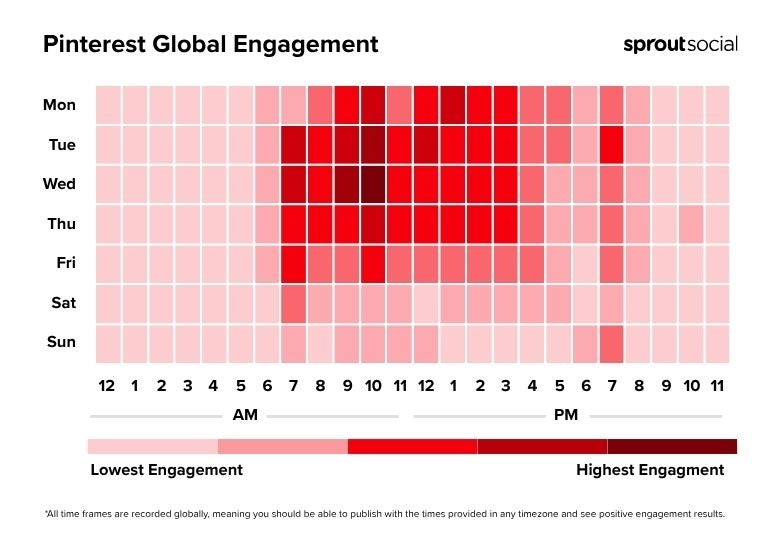
Read the full blog post (with a LOT more detail) on Food Blogger Pro today. 5. How to win with the Pinterest algorithm in 2026We know that Pinterest traffic is down lately, but that doesn't mean there isn't still a great opportunity on Pinterest (especially for newer bloggers). So let's figure out how to make the most of it! The Pinterest algorithm relies on 4 main signals:
Some strategies you can start implementing right away:
Read the full post on Sprout Social here. And that's it for us this month! See you back here in March. ☘️ |
.png)
Food Blogger Pro
We help creative foodies (like you!) take the guesswork out of building a food blog to share your passion and earn money doing what you love. Join the over 11,000 subscribers on our newsletter to get actionable tips and strategies delivered to your inbox each week! 📫
We're excited to send new Food Blogger Pro blog posts to you via email! We'll share our latest and greatest blog posts with you where we'll talk about tips and strategies for growing your audience, creating great food content, and monetizing your blog, as well as updates on new courses available for Food Blogger Pro members! Trending Recipe Ideas This Spring Published on February 26, 2026 We’re rounding up some of our favorite ingredients, recipes, and food search terms trending this spring...
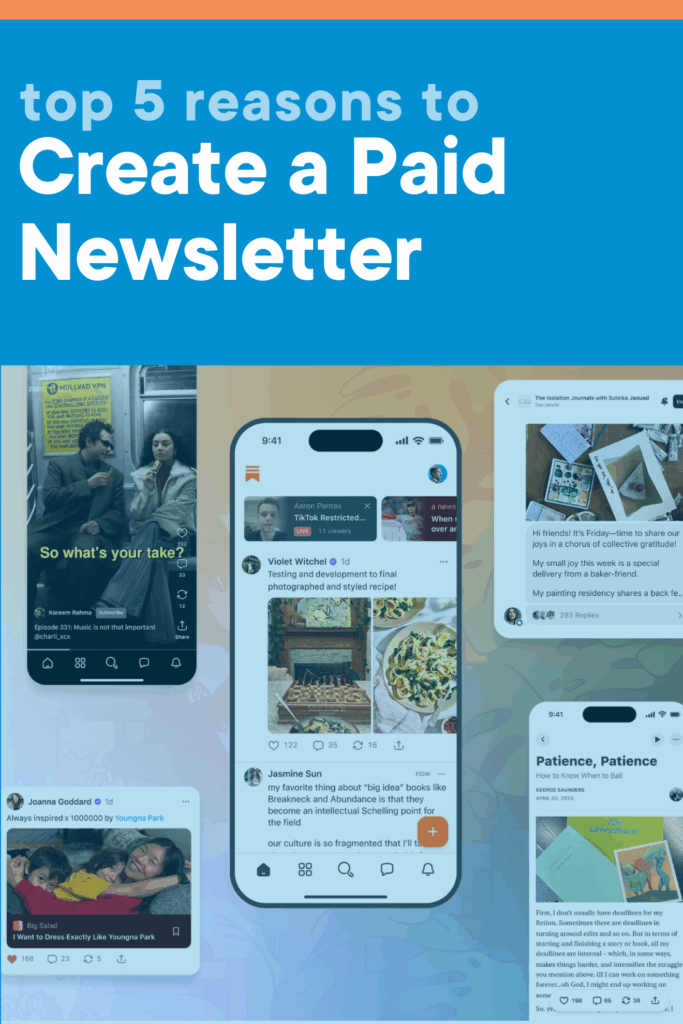
We're excited to send new Food Blogger Pro blog posts to you via email! We'll share our latest and greatest blog posts with you where we'll talk about tips and strategies for growing your audience, creating great food content, and monetizing your blog, as well as updates on new courses available for Food Blogger Pro members! The Top 5 Reasons Food Bloggers Should Consider a Paid Newsletter (And Who Probably Shouldn’t) Published on January 29, 2026 For years, food bloggers have been told the...
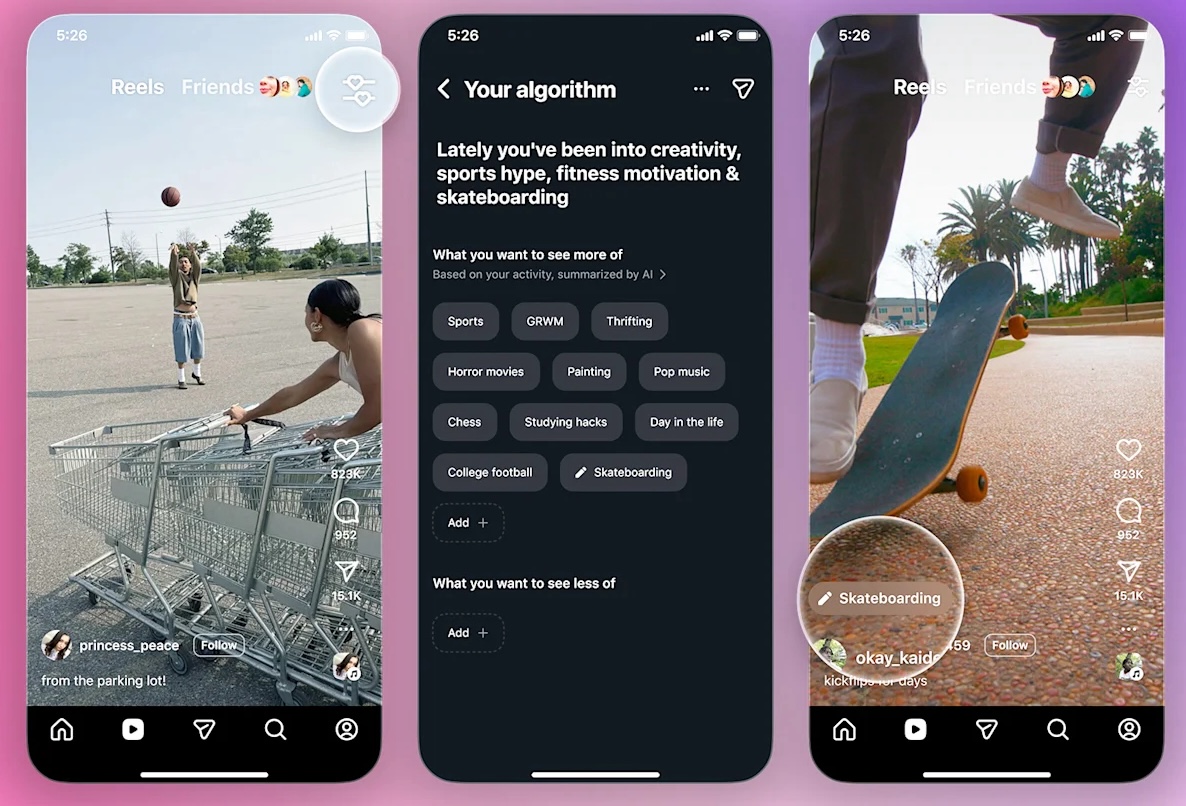
This newsletter is sponsored by Raptive. Running your business can feel like a constant balancing act. That's where Raptive comes in. They’re the team behind thousands of the internet’s top creators, helping you grow your traffic, boost your revenue, and protect your content in an AI-driven world. Raptive creates tailored growth strategies, supporting real, human-made content with help for SEO, email, and audience development. And now, if your site gets at least 25,000 monthly pageviews, it's...